A machine shop can have every spindle booked for the next three weeks and still struggle to cover payroll. The schedule looks healthy. Operators are busy. The machines are making chips. Yet when invoices are paid and expenses are reconciled, little profit remains.
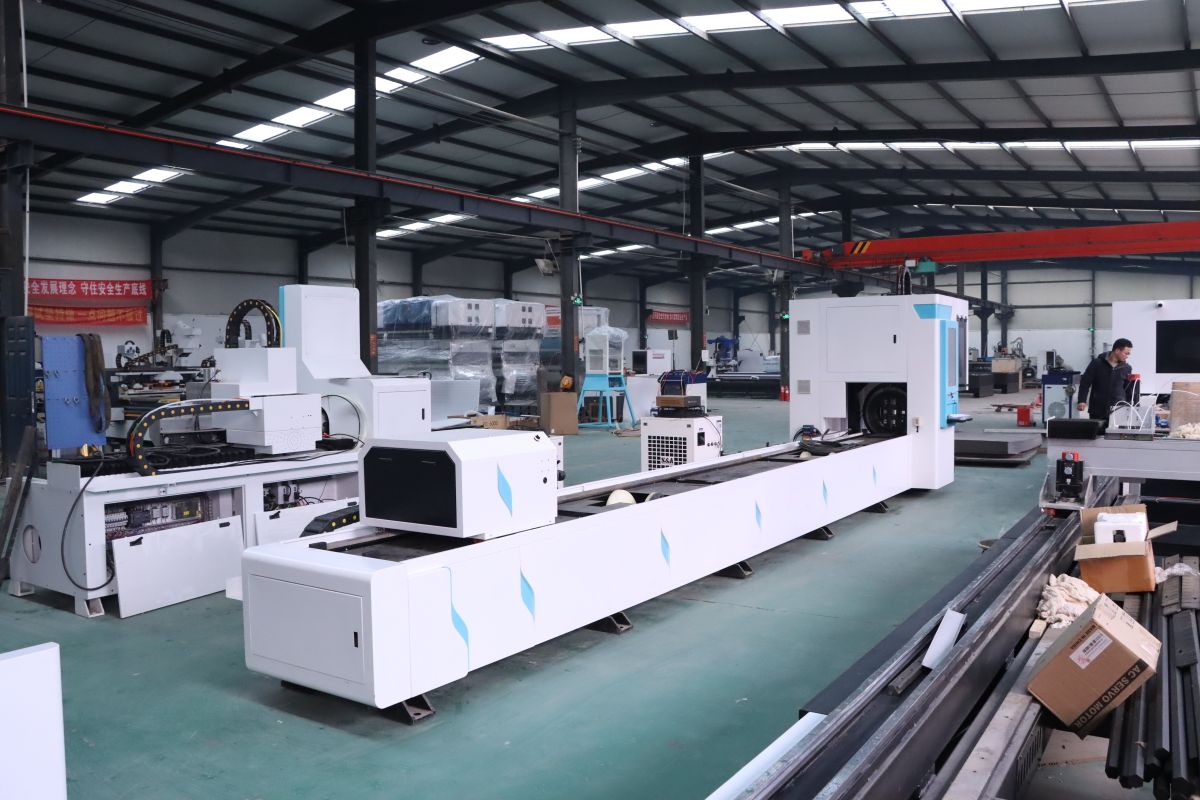
The contradiction disappears once we distinguish activity, utilization, contribution, and cash flow. A full machine schedule measures demand for capacity, not whether each hour is being sold at an economically sustainable price.
The question a packed schedule cannot answer
Utilization asks how much available machine time is occupied. Profitability asks whether the revenue earned from delivered work exceeds the resources consumed, including direct costs and the business’s fixed expenses. These are connected, but they are not equivalent.
For example, a 90% utilized machine may be running low-margin work, repeating avoidable setups, consuming expensive tooling, or producing parts that require rework. A less-busy machine running the right mix of well-quoted jobs may make a stronger financial contribution.
Illustrative example: two busy machining jobs

Consider two orders each consuming 40 machine-hours. Assume the following figures in US dollars. These are hypothetical amounts designed to demonstrate the arithmetic, not representative market rates.
| Metric | Order A | Order B |
|---|---|---|
| Sales price | $5,200 | $4,000 |
| Material and outside processing | $900 | $1,200 |
| Direct labor and consumables | $1,000 | $1,100 |
| Variable machine operating cost | $600 | $600 |
| Contribution after listed variable costs | $2,700 | $1,100 |
| Contribution per machine-hour | $67.50 | $27.50 |
Both orders keep the same machine occupied for 40 hours, but their contributions differ by $1,600. Neither figure is net profit. The remaining contribution must still help pay fixed expenses such as rent, salaries, insurance, financing, depreciation, software and other overhead. Some accounting classifications also treat elements of labor or machine cost differently. Keep classifications consistent when comparing jobs.
Now suppose the machine is the shop’s current constraint. Filling its schedule with Order B-type work leaves less capacity for higher-contribution opportunities. That is not a reason to refuse every lower-margin order: customer relationships, demand uncertainty and unused capacity can justify different choices. It is a reason to understand the trade-off before accepting another job.
Why a quoted hourly rate may be misleading
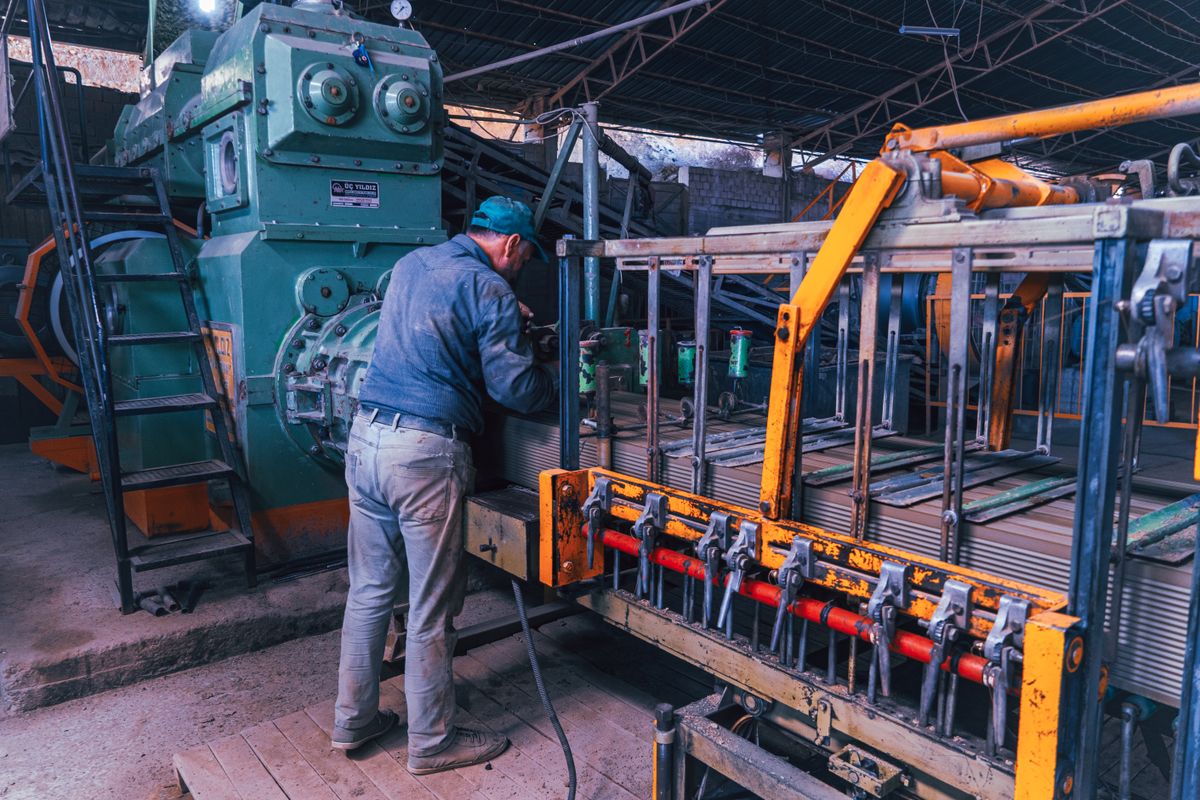
Many shops start with a machine hourly rate. The rate is useful, but only if its assumptions are explicit. Does it include operator labor? Setup? Programming? Consumables? Depreciation? Overhead recovery? Does it assume a realistic number of billable hours rather than every scheduled hour?
For a simplified illustration, imagine a machine is available for 2,000 scheduled hours annually, but only 1,400 hours are realistically chargeable after maintenance, training, changeovers and demand gaps. A fixed annual cost of $140,000 corresponds to $70 per scheduled hour but $100 per chargeable hour. This example does not establish a selling price; it shows how the denominator changes cost recovery.
See What Goes Into a CNC Machine Hourly Rate for the separate rate-building problem, and the CNC Cost Calculator for estimating a specific job.
Five ways a fully booked shop loses margin
1. The quote excludes real setup and support effort
A program may cut each part quickly while the job requires extensive fixture preparation, multiple setups, tool prove-out, inspection and documentation. When setup work is not included in the quote, production can perform exactly as planned and still fail financially.
2. Rework quietly consumes the best machine hours
Parts that need correction occupy equipment and skilled labor without generating the expected additional revenue. Measure first-pass yield, scrap and repeat operations. Keep warranty corrections, internal rework and customer-authorized change orders distinct.
3. Work in progress grows faster than shipments
The shop floor may be busy making partially completed orders. If downstream inspection, external finishing or assembly cannot keep up, capacity turns into inventory rather than invoices. High utilization at individual workstations can coexist with a slow order-to-cash cycle.
4. Cash leaves long before the customer pays
Materials, wages and outside processing may require payment well before the customer settles an invoice. A profitable order on paper can still create a short-term cash shortage. Track deposit terms, payment schedules, stock purchasing and receivables alongside accounting profit.
5. Rush work disrupts the profitable work already scheduled
A premium rush order may look attractive, but its real effect includes expedited purchasing, additional changeovers, overtime, queue displacement and possible late-delivery penalties elsewhere. Assess the net effect on the complete schedule, not the rush order alone.
A more useful scorecard than utilization alone
| Measure | Question it answers |
|---|---|
| Contribution per constrained hour | Which jobs make the best use of scarce capacity? |
| Quote versus actual job cost | Where are estimates consistently inaccurate? |
| First-pass yield and rework time | How much productive work must be repeated? |
| On-time delivery and total lead time | Does busy production become completed orders? |
| Work in progress and queue age | Where is money tied up before shipment? |
| Receivables aging and cash forecast | When will completed work become available cash? |
None of these metrics works alone. Contribution per constrained hour matters most when the measured resource is genuinely scarce and the constraints are known. A shop with ample unused capacity may make different short-term pricing decisions while protecting long-term customer and financial objectives.
How to diagnose the problem without buying new software
- Select ten completed jobs. Include profitable-looking orders, rush jobs and orders that took longer than expected.
- Rebuild their economics. Compare quoted revenue with actual material, labor, machine, setup, tooling and outside processing costs using consistent definitions.
- Separate variable and fixed costs. Calculate contribution before allocating fixed overhead. Then examine whether total contribution covers actual fixed expenses.
- Identify the real capacity constraint. Follow jobs from release to shipment. The busiest machine is not automatically the bottleneck.
- Measure the cost of interruptions. Record rework, waiting, unplanned changeovers, expediting and inspection delays.
- Check the cash timeline. Compare supplier payment dates, payroll and invoice collection.
- Test one change. Improve a recurring quote assumption, adjust job sequencing or reduce a measured setup loss, then compare subsequent results.
What if the shop deliberately accepts lower-margin jobs?
Not every low-contribution job is a mistake. A shop may accept work to retain a strategic customer, establish a new process, preserve critical employee skills or cover incremental costs during slack demand. Those decisions should be visible and time-bound. If they rely on future higher-margin work, track whether that value materializes.
Similarly, higher revenue per machine-hour does not guarantee higher profit if the associated materials, tooling, quality risk or labor cost rise disproportionately. Compare contribution using the same cost boundaries and realistic process data.
What this means for manufacturing software
A useful shop-management system should connect the quote, routing, actual job times, material transactions, quality events, invoices and capacity decisions. A dashboard showing machine utilization without job economics may make a weak process look efficient. Better data is valuable only when it changes decisions.
Start with controlled records using the Machining Job Traveler Template and CNC Setup Sheet Template. Then determine which recurring gaps justify software automation. Metrik MFG’s manufacturing solutions section provides context for the longer-term software direction.
The practical decision
Before adding another machine or pushing utilization higher, answer this: which completed jobs created the most contribution after their real variable costs, and what prevented those jobs from moving through the shop faster? If the answer is unknown, the next priority is measurement and costing—not necessarily more production capacity.
Editorial and calculation note: All financial figures in this article are illustrative assumptions. The contribution calculations are arithmetic examples, not a benchmark or accounting advice. Actual pricing decisions should use the shop’s own cost data, capacity constraints, accounting policies and cash requirements.
Frequently Asked Questions
How can a busy machine shop still lose money?
Utilization can be high while quotes fail to recover setup, materials, rework, overhead or the cost of constrained capacity.
Does high spindle utilization mean high profitability?
No. Profitability depends on contribution margin, accepted output, delivery commitments and actual resource consumption, not machine activity alone.
What should an owner review first?
Compare estimated versus actual job costs, accepted throughput, bottleneck utilization, rework and cash tied up in unfinished work.