Automation projects often begin with the technology: robots, dashboards, barcode systems, scheduling engines or AI tools. The more useful starting point is the task. Which repeated manufacturing problem is expensive, predictable enough to standardize, and worth solving without reducing traceability or safety?

Start with the process, not the software
A workflow that depends on inconsistent definitions and verbal exceptions will not become reliable merely because it moves into an application. First define the inputs, decisions, outputs, owner and exception rules. Then test whether technology can carry out or support those steps with fewer errors and less elapsed time.
Five candidates worth examining
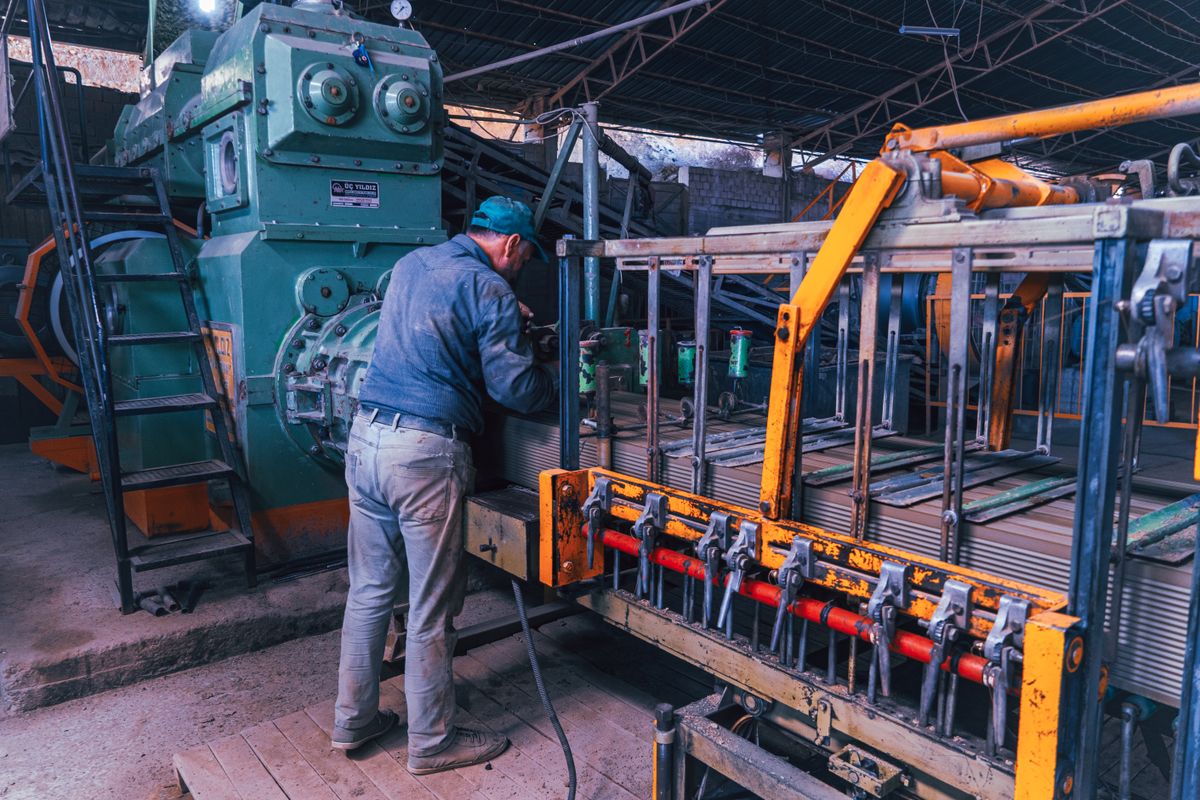
Common opportunities include entering the same job data into several systems, issuing controlled drawing revisions, recording shop-floor progress, reserving inventory against released work, and capturing first-article approval status. Their value differs by shop. For example, a high-mix prototype operation may benefit more from quote-to-job continuity than from robotic part loading, whereas a stable production cell may have a stronger case for unattended handling.
The wrong place to automate
Do not start by automating an unapproved CNC setup adjustment, overriding an inspection disposition, or making an independent safety decision. Critical machine motion, quality release and access permissions require documented controls. Technology may provide checklists, evidence and alerts while leaving authorized decisions with qualified personnel.
A simple opportunity score

Rate each candidate on frequency, time lost, error impact, standardization readiness, integration complexity and reversibility. Use a consistent scale, such as one to five, and record why each score was selected. A high-frequency task with stable rules and verifiable outputs is often a better pilot than an infrequent, highly variable engineering judgment.
Illustrative payback comparison
Suppose a shop spends 20 minutes per workday copying job status between systems, for 220 operating days. That equals about 73.3 labor-hours annually. At a hypothetical loaded labor cost of $30 per hour, the time has an indicative annual value of approximately $2,200 before accounting for software, implementation, maintenance, change management or errors prevented. The arithmetic is a screening estimate, not a return-on-investment guarantee. Saved minutes only translate into economic value under appropriate staffing and demand conditions.
Run a reversible pilot
Select one job family or small group of users. Capture a baseline for time, errors and missing records. Build or configure a minimal workflow, define rollback and ownership, train users and compare outcomes for a representative period. Make sure exceptions are easy to report and audit. Expand only after the pilot works under normal shift conditions.
Build the information backbone
Identifiers for part, revision, job, routing step, location, stock batch and approval status are foundational. If the same entity has conflicting identifiers in different systems, integration will propagate ambiguity. Standardize these relationships before attempting complex enterprise-wide automation.
Practical next step
The best first automation is not necessarily the most impressive demo. It is a controlled improvement that removes recurring administrative friction, preserves accountability and demonstrably improves a manufacturing outcome.
Related Metrik MFG resources
Editorial note: Illustrative scenarios and figures are used to explain principles, not to report verified shop performance. Engineering, financial and operational decisions require project-specific verification and applicable safety and quality procedures.
Frequently Asked Questions
Which manufacturing tasks are good candidates for automation?
Start with frequent, repeatable, measurable work such as data capture, status updates or verified calculations with stable inputs and clear exception handling.
Should a manufacturer automate a broken process?
Usually not immediately. Clarify ownership, correct unnecessary steps and establish reliable data before automating the sequence.
How should automation return on investment be assessed?
Compare implementation and maintenance costs with measured labor, scrap, waiting time and error reductions over a realistic period.