
Preparation, locating, tool setting, first article and approvals are legitimate tasks. The improvement is to remove unnecessary waiting and repetition without weakening safety.

Setup reduction is a capacity project, not a race against the operator
Separate internal work requiring a stopped machine from external tasks such as approved material staging and tool preparation. Observe representative setups and tag exceptions.
The operating method
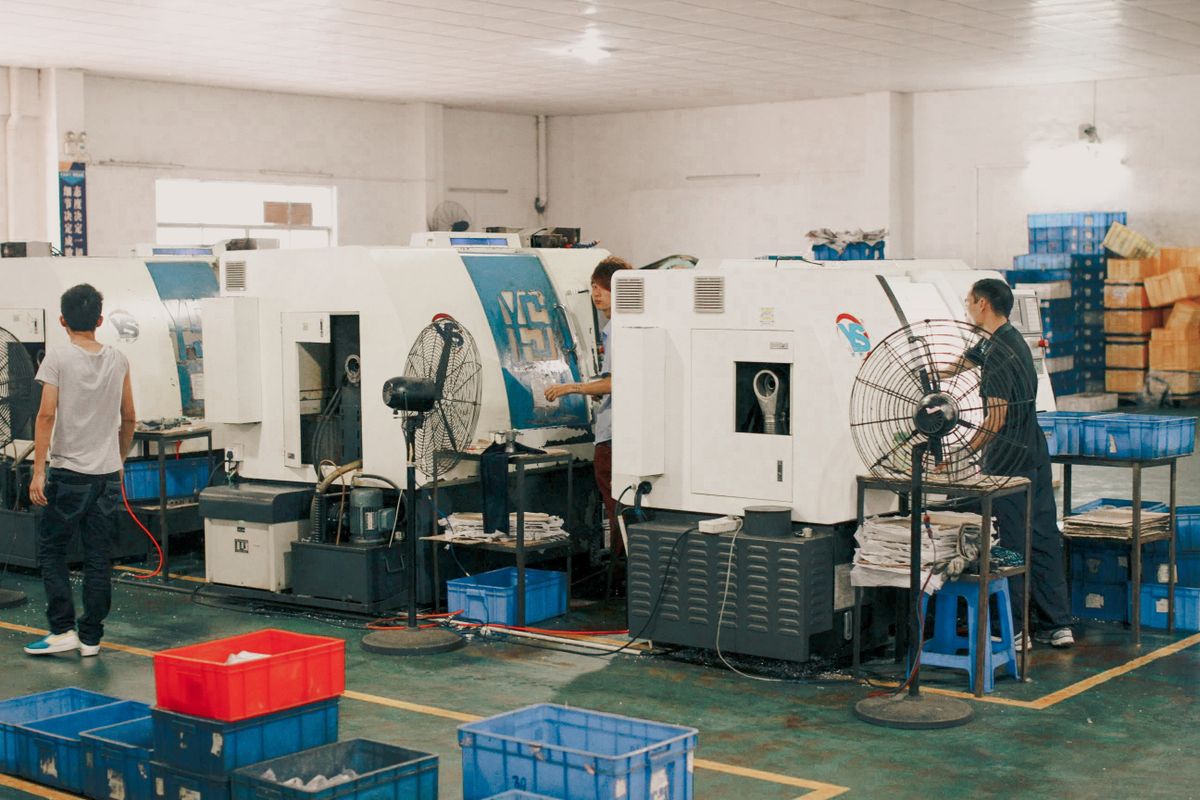
A 75-minute changeover improved to 55 minutes across three changeovers per day yields 60 minutes of potential machine availability each day. This is not automatically billable time; bottlenecks and demand determine financial value.
A practical example
Poorly documented work offsets or fixture references can recreate delays even after investing in quick-change hardware. Test whether the next qualified operator can repeat the setup.
Where teams misread the result
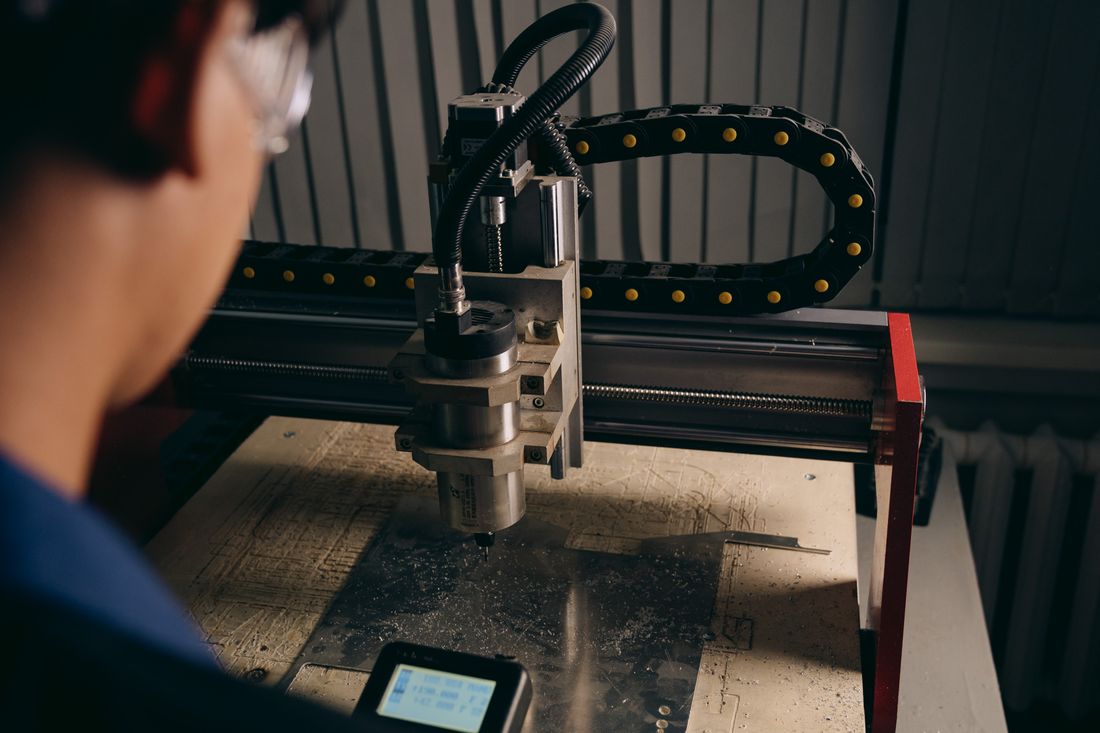
Treat collision avoidance, clamps, revision checks and first-article gates as required controls, not wasted time to eliminate.
What to change first
Track median and variation in changeover duration alongside first-pass acceptance, downtime and delivery results.
Reducing changeover time safely
- Define the end of the prior accepted job and start of the next accepted job.
- Separate tasks that require the machine stopped from preparations that do not.
- Pre-stage verified tools, fixtures, programs and approved instructions.
- Measure first-good-part completion while retaining all required safety and quality checks.
Evidence of improvement
Measure setup from the last conforming piece of one job to the first conforming piece of the next, unless the operation uses another clearly documented definition. Divide tasks into internal activities (machine must be stopped) and external activities (can safely occur while the previous job runs). Conversion from internal to external work is often more valuable than simply asking operators to move faster.
Illustrative changeover analysis
A 75-minute changeover consists of 20 minutes locating tools and documents, 25 minutes fixture mounting, 15 minutes offsets and program checks, and 15 minutes first-piece adjustment. If tools and approved documentation can be prepared externally, the potential stopped-time reduction is 20 minutes (from 75 to 55 minutes), without compressing necessary verification. At four changeovers per week, that represents about 80 minutes of recovered scheduled capacity, provided the preparation does not create another bottleneck.
Record before-and-after times by task, not just one total. Confirm safe fixture clamping, correct offsets, first-article acceptance and rollback procedures. A setup reduction is only an improvement when quality and safety remain intact. Link the approved sequence to the setup sheet.
Use Metrik MFG’s Machining Job Traveler, Setup Sheet Template and Takt Time Calculator where they align with the real process. The objective is trustworthy decisions, not record keeping for its own sake.
Editorial note: Numeric examples illustrate the logic and must be recalculated using site-specific resource constraints and approved operating procedures.
Frequently Asked Questions
What is the difference between internal and external setup?
Internal setup requires the machine to be stopped; external setup work can be prepared while the machine continues producing, when the process permits.
Can setup reduction compromise inspection?
It should not. Improve preparation, repeatability and scheduling while preserving safety, tool checks and first-article approval.
Which setup-time KPI is most useful?
Use a consistent start and finish definition, separating active changeover tasks from waiting and recording accepted first-part completion.